The Insolvency Clause Is Not Enough: A Demolition Continuity Playbook for Developers
Insolvency is a process, not a single event
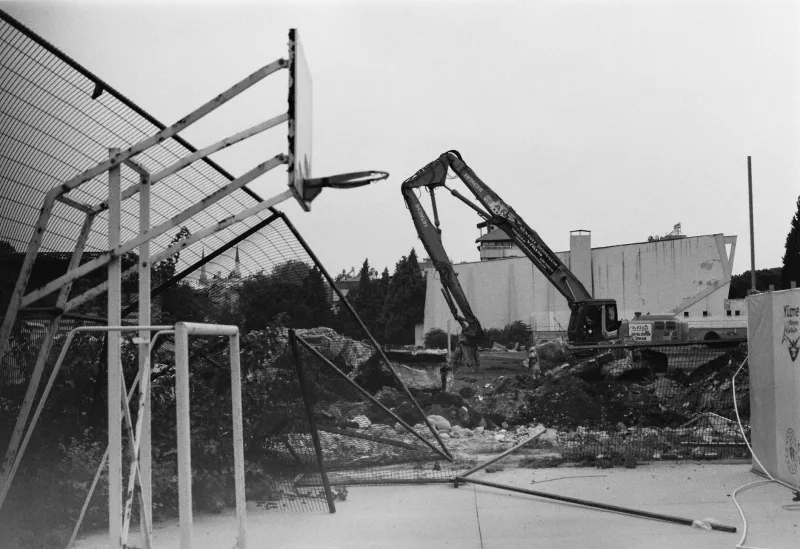
A demolition contractor entering administration or liquidation does not necessarily down tools at once. Staff may remain on site, plant may stay in position, subcontractors may continue for a period and the insolvency practitioner may seek to trade the business or sell parts of it. For the developer, that ambiguity is the immediate risk. Programme, security, statutory duties and cost exposure can all move before the contractual position is clear.
The right response is not simply to trigger a termination clause and call the next contractor on the tender list. It is to establish possession, evidence and control in a sequence that preserves the developer's position. Legal and insolvency advice should be taken immediately, because rights depend on the appointment documents, the form of contract and the procedure the contractor has entered.
The first 72 hours: possession, security and evidence
Site security comes first, but the developer should not assume it can simply change the locks. The contractor may still hold a licence to occupy or remain responsible for the site under the contract and CDM 2015. The safer course is to secure the perimeter, maintain existing security arrangements where possible, appoint independent security if required and notify insurers of the changed circumstances. Any step to exclude the contractor should be taken on advice and recorded in writing.
At the same time, the developer should assemble a dated evidence pack: site photographs, plant registers, material stockpiles, temporary works, openings, asbestos controls, waste consignment notes, statutory notices and the status of party wall and Section 61 consents. This record supports the replacement tender, insurance claims and any later dispute about work done or materials removed. Do not allow informal removal of plant, scrap or salvage before title is understood.
Unfinished works and the scope gap
A replacement contractor needs more than a site visit. It needs a clear schedule of what was completed, what was partly completed and what remains. Temporary works, propping, hoarding, dust suppression, wheel washes and environmental controls may be mid-installation. Asbestos remains may have been disturbed or left in controlled conditions. The developer should commission an independent condition and scope review where the original contractor's records are incomplete.
That review should also identify regulatory gaps. Principal contractor duties do not disappear because the company is insolvent. The developer may need to appoint an interim principal contractor or take temporary control, depending on the contract and the advice received. Waste permits, exemptions and carrier registrations may sit with the insolvent entity, and the Environment Agency should be engaged if waste is to be moved or stored during the transition.
Subcontractors: retain, novate or replace
Specialist subcontractors often hold the practical knowledge of the site. Some may be willing to continue directly, but paying them outside the contract carries risk of double payment and creates questions about design responsibility, warranties and insurance. The developer should obtain statements of work done and unpaid, check whether subcontracts permit direct payment and consider novation where the replacement contractor can take them on cleanly.
Retention held by the insolvent contractor is a particular concern. UK retentions are not generally protected by a trust unless the contract creates one, so the developer should not assume the money remains available for subcontractors. A clear subcontractor mapping exercise, with values, status and any set-off positions, is essential before the replacement contractor prices the balance of the works.
Plant, materials and the question of title
Owned plant, hired plant, materials on site and scrap all raise different ownership questions. Hired plant may remain the hire company's property and should be released on confirmation. Owned plant may be claimed by the insolvency practitioner or a secured lender. Materials delivered to site may be subject to retention of title clauses, vesting arrangements or simply the contractor's contractual entitlement on payment.
This is where pre-contract drafting matters. A vesting certificate that identifies materials, marks them clearly and is supported by regular stock records gives the developer a stronger position. Without it, the developer may find that scrap value, salvaged materials or imported fill are treated as part of the insolvent estate. Waste transfer notes and salvage records should be reconciled before anything leaves site.
Insurance gaps and unoccupied-site risks
Notify insurers early. Contractor's all-risks, public liability and employers' liability cover may respond differently once the contractor is insolvent. The site may become unoccupied or partially occupied, which can trigger policy conditions. Temporary works, unfinished excavations and partially demolished structures may need specific protection. If the contractor's cover lapses, the developer should confirm its own cover and any gap before work restarts.
Do not overlook third-party liability. A partially demolished structure, insecure hoarding or unguarded excavation can create a danger to the public. The developer's own policy may not respond in the same way as a contractor's policy, so the insurance position should be confirmed in writing before the replacement contractor takes possession.
Appointing a replacement without repeating the mistake
The replacement tender should be faster than the original, but not looser. Prices should be broken down by remaining scope, with provisional sums only where genuinely necessary. The new contractor should confirm the status of existing notices, asbestos controls, party wall awards and temporary works. A pre-mobilisation meeting should cover site handover, security, keys, permits, waste routes and emergency procedures.
Payment terms should reflect the transition risk. Milestone payments, retention, performance security and a parent company guarantee may be appropriate. The contract should define an insolvency event clearly, set out termination and step-in rights, and require collateral warranties from key subcontractors. Where the developer is funding the balance of the works, consider whether an advance payment bond or escrow arrangement is justified.
A pre-contract continuity checklist for 2026
Before appointing any demolition contractor, the developer should be able to answer these questions:
- Does the contract define insolvency event, termination, site access and step-in rights clearly?
- Are materials on site covered by a vesting certificate, marking regime and stock records?
- Are key subcontractors identified, with collateral warranties and novation options?
- Are payment terms, retention, set-off and performance security proportionate to the risk?
- Is there a named replacement contact, and has the contractor provided a plant and materials schedule?
- Are insurance obligations, notification duties and unoccupied-site conditions understood?
- Is there a handover pack listing permits, notices, asbestos records and temporary works?
In 2026, tight margins and volatile subcontractor markets make continuity planning a commercial necessity, not a legal nicety. The developer that controls the site, understands title and can hand a clean scope to a replacement contractor will lose less time, less money and fewer options than one that relies on an insolvency clause alone.