The Cover That Lapses Quietly: Insurance Notifications Before Demolition Begins
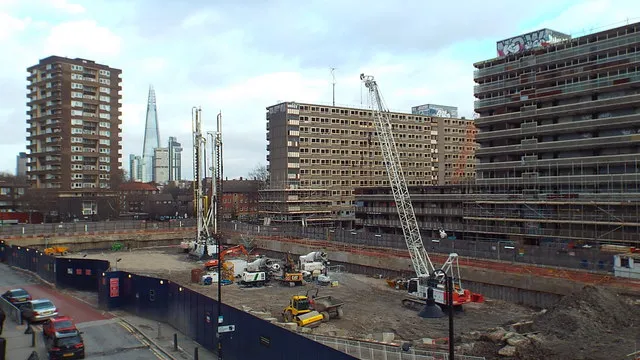
Photo: Malc McDonald , CC BY-SA 2.0, via Wikimedia Commons
Demolition procurement rightly concentrates on the contractor's competence, method and price. Yet one of the most consequential project controls sits with the developer: the insurance position for the building being demolished. A structure that was insured as an occupied commercial or residential asset does not remain the same insured risk once tenants leave, services are isolated and the intention shifts from holding to demolition. If insurers are not told, the policy may not respond when it is needed.
Why the risk changes before mobilisation
Insurers underwrite buildings on assumptions about occupation, maintenance, security and intended use. A vacant building presents a different profile: fire, water damage, theft, vandalism and arson risks can rise, while routine observation by occupiers falls away. Standard property policies often restrict cover after a specified period of vacancy, and those restrictions can apply before any demolition contractor arrives on site.
The position becomes sharper when demolition is intended. Some policies exclude demolition outright; others require an endorsement, a survey or specific conditions such as weekly inspections, security arrangements and isolation of water and gas. The Insurance Act 2015 places a duty on policyholders to make a fair presentation of risk, including matters that would influence an insurer's decision. An intention to demolish is not a minor administrative detail. It is material to the risk.
Three policies, three failure points
Developers should map the insurance stack before the programme hardens. Three policies commonly matter, and each has a different role.
First, the property policy or vacant-building cover insures the existing structure until demolition begins. The critical questions are when cover ceases, what conditions apply while the building is empty, and whether demolition is permitted at all. A common failure is to assume that cover continues simply because the premium has been paid. Vacant-building conditions may be strict, and they may require written notification before works start.
Second, a contract works or construction all-risks policy insures the new works and may cover temporary works and debris removal. These policies are not always designed for systematic demolition of existing structures. They may exclude demolition, existing structures or removal of load-bearing elements unless specifically endorsed. The sums insured also need to reflect demolition activity, temporary works and debris removal, not merely the new build.
Third, public liability and employers' liability cover may respond to injury or damage to third parties. The contractor's policy is essential, but it is not a substitute for the developer's own coverage. Developers should check whether they are named as joint insured, whether subrogation rights are waived, and whether the contractor's policy carries demolition-specific conditions or exclusions.
Exclusions rarely announce themselves
Demolition exclusions are not always headed 'demolition exclusion'. They can appear as restrictions on removal of load-bearing walls, alteration of existing structures, hot works, asbestos disturbance, pollution, gradual deterioration or faulty workmanship. A contract works policy may cover the new frame but not the old building being taken down. A vacant-building policy may cover fire while the building is empty but cease to respond once works of alteration or demolition commence.
The practical response is to read the endorsements, not just the schedule. Ask the broker to confirm in writing which policy responds to the existing structure, which responds to debris removal, and which responds to third-party claims arising from demolition. Verbal reassurance is not a project control.
Roles and responsibilities
Under the CDM 2015 regime, the client must provide pre-construction information and the principal designer must coordinate health and safety in the design phase. Insurance notification is not a CDM duty as such, but it is part of the client's overall control of the project. The principal designer can flag design assumptions that affect insurance, such as retained facades, basement retention or temporary works. The contractor can confirm its own policy position. None of these roles removes the developer's responsibility to notify its own insurers.
A pre-demolition notification checklist
- Identify every policy that may respond: property, vacant building, contract works, public liability, environmental liability and any terrorism cover.
- Notify insurers in writing before vacant possession is taken, before mobilisation and before any asbestos removal or soft strip begins.
- Disclose the intended demolition method, programme, building height, adjoining structures, basements, party walls, asbestos position and any hot works.
- Confirm which policy insures the existing structure during demolition and which covers debris removal and temporary works.
- Check contract works exclusions for demolition, existing structures, load-bearing elements and asbestos.
- Confirm that vacant-building conditions can be met in practice: inspections, security, water isolation, fire precautions and site access control.
- Review the contractor's insurance for demolition endorsements, liability limits, joint insured status and waiver of subrogation.
- Align the building contract's insurance provisions with the actual policy position, including notification periods and responsibilities.
- Record insurer responses and endorsements, and distribute them to the project team before works start.
- Re-notify if the method, programme or occupation position changes materially.
The programme consequence
Insurers may require a survey, impose conditions or decline cover. That takes time. A demolition project that treats insurance notification as a task for the first week of mobilisation is exposing the developer to an uninsured gap. The notification should be a procurement milestone, scheduled alongside the demolition tender and the construction phase plan.
Demolition is a controlled change of risk, not a sudden event. The insurance position should change with it, deliberately and in writing. Developers who notify early, disclose fully and verify the endorsements protect both the project and their own position. Those who leave it until the site is handed over may find that the cover lapsed quietly some weeks before.
This article is general editorial guidance, not legal or insurance advice. Developers should take specific advice from their broker and legal advisers.