The Unseen Obstacle: Integrating UXO Risk Into Demolition Planning
Demolition due diligence in the UK tends to concentrate on familiar hazards: asbestos, buried services, party wall obligations and structural stability. Unexploded ordnance receives less attention, yet it can be a material risk on brownfield land, former industrial sites and urban regeneration schemes with wartime or dockland histories. A UXO find during demolition or enabling works can stop the programme immediately, trigger a police response and require costly re-sequencing. The risk is not hypothetical, but it is manageable when it is addressed early and proportionately.
Why demolition, not just groundworks, is exposed
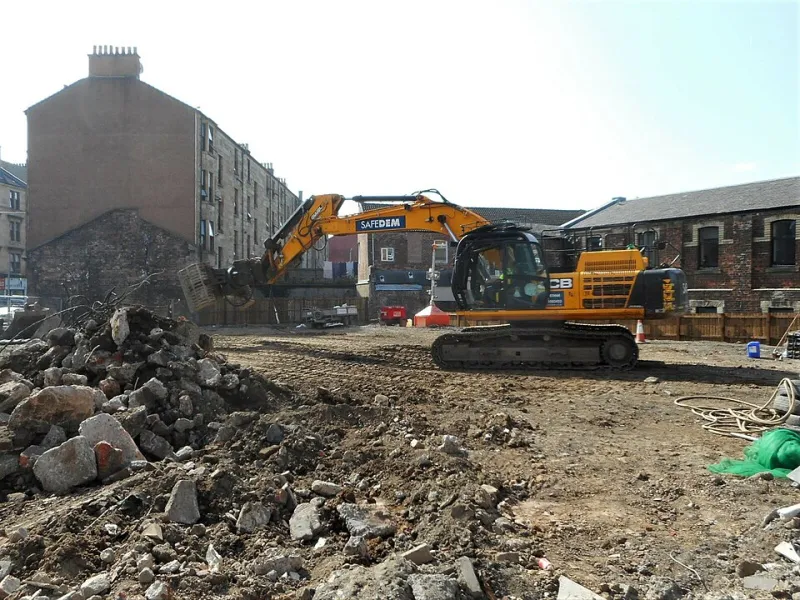
It is sometimes assumed that UXO risk belongs only to major earthworks or piling. In practice, demolition can be the first significant disturbance of a site in decades. Breaking slabs, reducing hardstanding, excavating basements, forming piling platforms and trenching for services can all encounter Made Ground or imported fill that may contain ordnance-related items. Historical fill, dockland ballast, shipyard deposits and wartime debris are not always recorded in modern site plans.
The risk is not limited to large bombs. Incendiary devices, anti-aircraft shells, training rounds and small arms ammunition can also be present. On former military land, dockyards, rail sidings, foundries and chemical works, the historical record may be complex and incomplete. A demolition contractor's method statement should therefore reflect the possibility that intrusive work may expose items that were never identified by a desk-based review alone.
When a preliminary desk study is warranted
A UXO desk study is not necessary on every demolition site. However, certain indicators should prompt one before intrusive work is programmed. These include former military use, wartime industrial activity, documented bombing records, civil defence installations, dockland and railway land, landfill or infill, and buildings constructed before 1945. Sites near historic bombing concentrations, even where no direct hit is recorded, may also justify review.
The absence of a known incident does not prove absence of risk. A preliminary desk study uses historical maps, aerial photography, local records, bomb census data and military archives to establish whether a credible UXO hazard exists. It should produce a risk rating and clear recommendations: no further action, a detailed UXO risk assessment, or site-specific survey and support. If the desk study identifies a moderate or high risk, the developer should commission the next stage before ground investigation or demolition begins.
Aligning UXO with demolition and ground surveys
The UXO desk study should sit alongside the asbestos refurbishment and demolition survey and the ground investigation, not replace either. The demolition survey identifies hazardous materials and structural conditions; the geotechnical investigation characterises ground and groundwater. A UXO specialist needs to understand the proposed demolition sequence, excavation depths, piling locations and site compound areas so that recommendations are practical rather than generic.
The outputs should inform each other. If the UXO assessment recommends a geophysical survey, the ground investigation layout may need to accommodate it. If the risk rating calls for a watching brief or controlled breaking in specific zones, the demolition method statement should say so explicitly. Timing matters: commission the desk study before the ground investigation is scoped and before the demolition tender is issued. Left until the contractor is mobilising, a UXO recommendation can force rework of the investigation, delay the programme and create avoidable contractual friction.
What contractors should evidence before intrusive work
Before demolition or enabling works begin, the developer should expect to see a clear evidence trail from the contractor and specialist. This should include a UXO risk assessment and method statement referencing recognised UK guidance such as CIRIA C681, together with the competence and experience of the personnel involved. The scope should be unambiguous: desk study only, on-site support, or full survey and clearance.
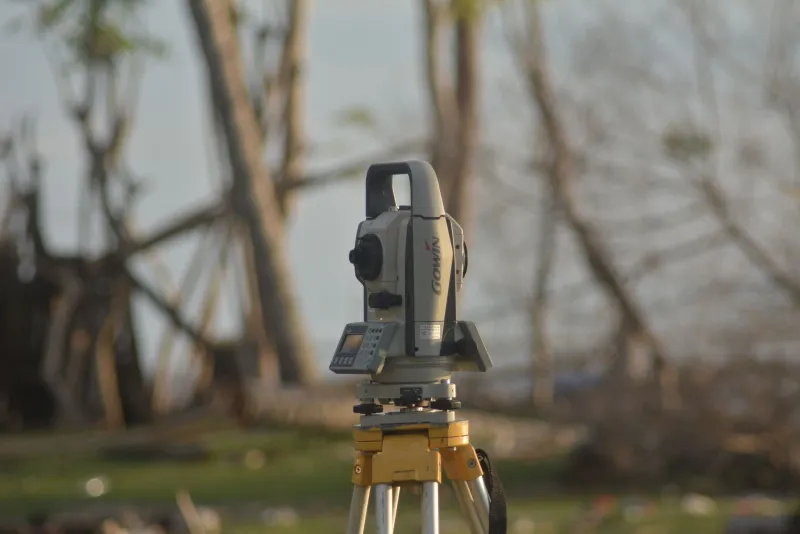
Where geophysical survey is recommended, the contractor should provide a survey plan, validation arrangements and a reporting format. A find protocol is essential: stop work, establish an exclusion zone, notify the relevant authorities, record the item and do not resume until clearance is confirmed. Emergency arrangements, site induction content and toolbox talks should reflect the risk rating. The contractor should also confirm insurance cover and contractual responsibility for UXO-related delays and costs.
For the demolition contractor specifically, the method statement should show how the works respond to the assessed risk. That may mean controlled breaking near identified anomalies, restricted piling locations, exclusion zones during excavation, or supervisor authority to halt work immediately. A generic statement that the contractor will 'remain vigilant' is not sufficient evidence of a managed approach.
Procurement and programme discipline
UXO risk cannot be eliminated by transferring it through contract wording. Developers should appoint a specialist early enough to inform the programme and should share the desk study with bidders so that tenders are priced on a consistent basis. Provisional sums can be appropriate where the extent of survey is uncertain, but they should be supported by a defined decision point and a clear scope.
The risk register should record UXO as a live item until intrusive works are complete. If the desk study recommends survey or clearance, the programme should allow for it rather than treating it as a contingency to be absorbed later. The cost of a preliminary desk study is modest compared with the cost of a stopped site, a revised demolition sequence and a delayed start on site. For developers, the discipline is straightforward: put UXO on the due diligence list before the breaker bar arrives, not after.